
Omega-3 Fish Oil: EPA and DHA Explained for Everyday Wellness

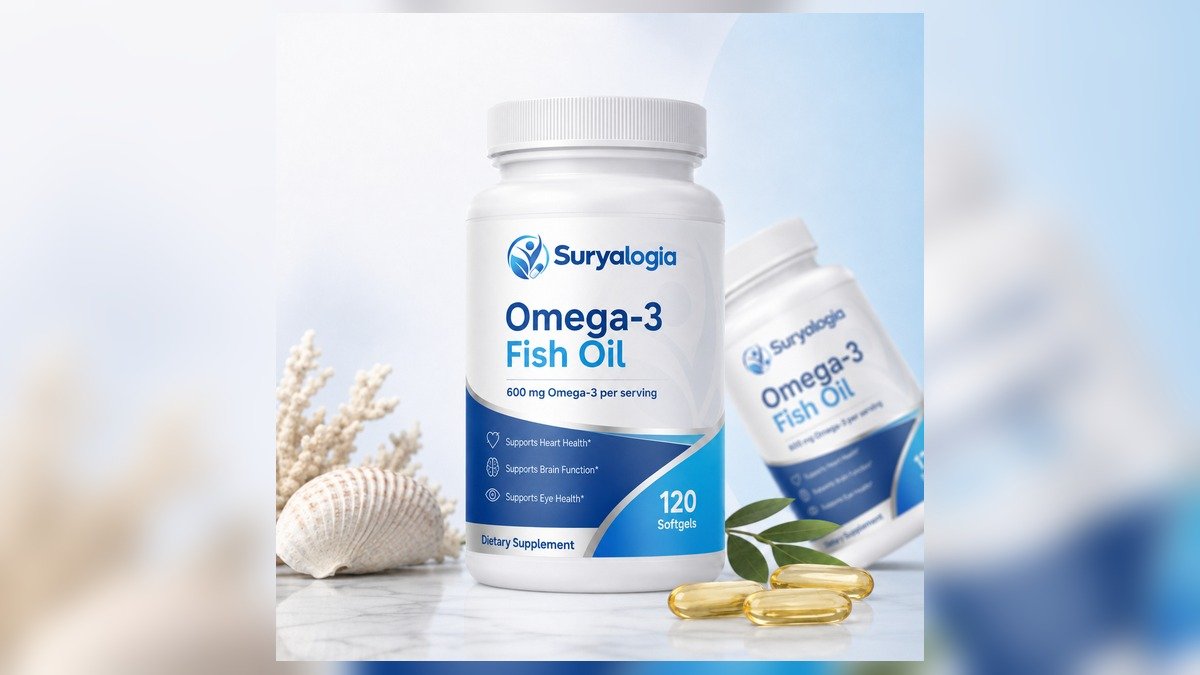
Omega-3 fatty acids are a family of fats that are an important part of a balanced diet. Two of the best-known marine omega-3s are EPA and DHA. They are naturally found in oily fish and are also commonly provided in fish-oil supplements for people who want a convenient way to complement their diet.
What are EPA and DHA?
EPA stands for eicosapentaenoic acid, while DHA stands for docosahexaenoic acid. Both are long-chain omega-3 fatty acids found primarily in marine foods. They are normal structural and functional components of the body and are widely used in everyday wellness supplements.
Food sources of omega-3
Fatty fish such as salmon, sardines, mackerel, trout, and herring are well-known sources of EPA and DHA. Plant foods such as flaxseed, chia seeds, and walnuts provide ALA, another omega-3 fatty acid. The body can convert some ALA into EPA and DHA, but the conversion is limited, which is one reason fish and fish-oil products remain popular sources.
How to read an omega-3 supplement label
One of the most useful habits when shopping for fish oil is to look beyond the total amount of “fish oil” listed on the front. The Supplement Facts panel should tell you how much EPA and DHA are provided per serving. Two products can contain the same amount of fish oil but deliver very different amounts of EPA and DHA.
Check these details:
- Serving size and number of softgels per serving.
- Total omega-3 fatty acids per serving.
- Specific amounts of EPA and DHA.
- Allergen information, especially for fish.
- Storage directions and expiration information.
How omega-3 fits into a balanced routine
Omega-3 supplementation is not a replacement for a balanced eating pattern. A strong routine still includes vegetables, fruit, whole grains, quality protein, healthy fats, adequate hydration, and regular physical activity. If you enjoy fish, including it in meals can be a practical food-first strategy. A supplement can provide convenience on days when seafood is not part of the menu.
When to take fish oil
Many people take fish-oil softgels with a meal. Doing so can make the habit easier to remember and may be more comfortable than taking them on an empty stomach. Always follow the serving directions on the individual product.
Quality and freshness matter
Omega-3 oils are sensitive to heat, light, and oxygen. Store the product as directed and keep the bottle tightly closed. A clear expiration date, intact packaging, and transparent labeling are all helpful signs when comparing products.
Who should speak with a healthcare professional first?
If you use blood-thinning medication, are preparing for surgery, are pregnant or nursing, have a fish allergy, or have another health condition, discuss fish-oil supplementation with a qualified healthcare professional before starting.
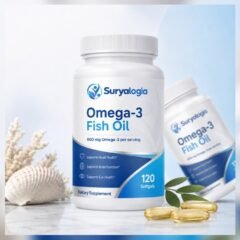
Explore Suryalogia Omega-3 Fish Oil for a convenient EPA and DHA option designed for everyday wellness routines.
General information only. This article is not intended to diagnose, treat, cure, or prevent any disease.