
Fiber, Prebiotics and Probiotics: A Simple Guide to Gut-Friendly Nutrition

Fiber, prebiotics, and probiotics are often discussed together, but they are not the same thing. Each plays a different role in a gut-friendly eating pattern. Understanding the difference can help you choose foods and supplements more confidently.
What is dietary fiber?
Dietary fiber is the part of plant foods that is not fully broken down by human digestive enzymes. Different types of fiber behave differently. Some absorb water and form a gel, while others add bulk. Fiber-rich foods include vegetables, fruit, legumes, whole grains, nuts, and seeds.
What are prebiotics?
Prebiotics are specific substances, often certain types of fermentable fiber, that are used by beneficial microorganisms in the gut. Inulin is a familiar example used in foods and supplements. Foods such as onions, garlic, leeks, asparagus, oats, and certain other plant foods can contribute prebiotic compounds to the diet.
What are probiotics?
Probiotics are live microorganisms that, when provided in adequate amounts in appropriate products, are intended to support the microbial environment of the digestive system. Common supplement genera include Lactobacillus and Bifidobacterium. Different strains are not interchangeable, so a probiotic label should identify the organisms clearly.
Fiber and prebiotics: food for your gut microbes
A varied plant-based diet gives the gut microbiome many different substrates to work with. This is one reason nutrition professionals often encourage diversity rather than relying on a single food. If your current fiber intake is low, increase it gradually to give your digestive system time to adjust.
Why hydration matters when increasing fiber
Fiber and water work together. Products containing psyllium in particular should be taken with the amount of liquid stated on the label. Taking fiber without adequate fluid can be uncomfortable and may be unsafe. Always follow the product directions carefully.
How to choose a probiotic
Look for a label that lists the genus, species, and ideally strain of the microorganisms, along with the amount provided. CFU means colony-forming units and is commonly used to describe the quantity of viable microorganisms. More CFU is not automatically better; the formula, strain selection, storage requirements, and intended use all matter.
Can you use fiber and probiotics together?
For many adults, fiber-rich foods, prebiotic foods, and probiotic foods or supplements can all be part of the same overall routine. The best approach is usually gradual and consistent. If a new product causes persistent digestive discomfort, discontinue it and seek professional guidance.
A simple gut-friendly daily routine
- Eat a variety of vegetables, fruit, whole grains, beans, nuts, and seeds.
- Increase fiber gradually rather than making a sudden large change.
- Drink adequate fluids throughout the day.
- Include fermented foods if they fit your diet and preferences.
- Use supplements according to label directions.
When to ask for professional advice
People with persistent abdominal pain, swallowing difficulties, inflammatory bowel conditions, major changes in bowel habits, or other gastrointestinal concerns should speak with a healthcare professional before beginning a concentrated fiber or probiotic supplement.
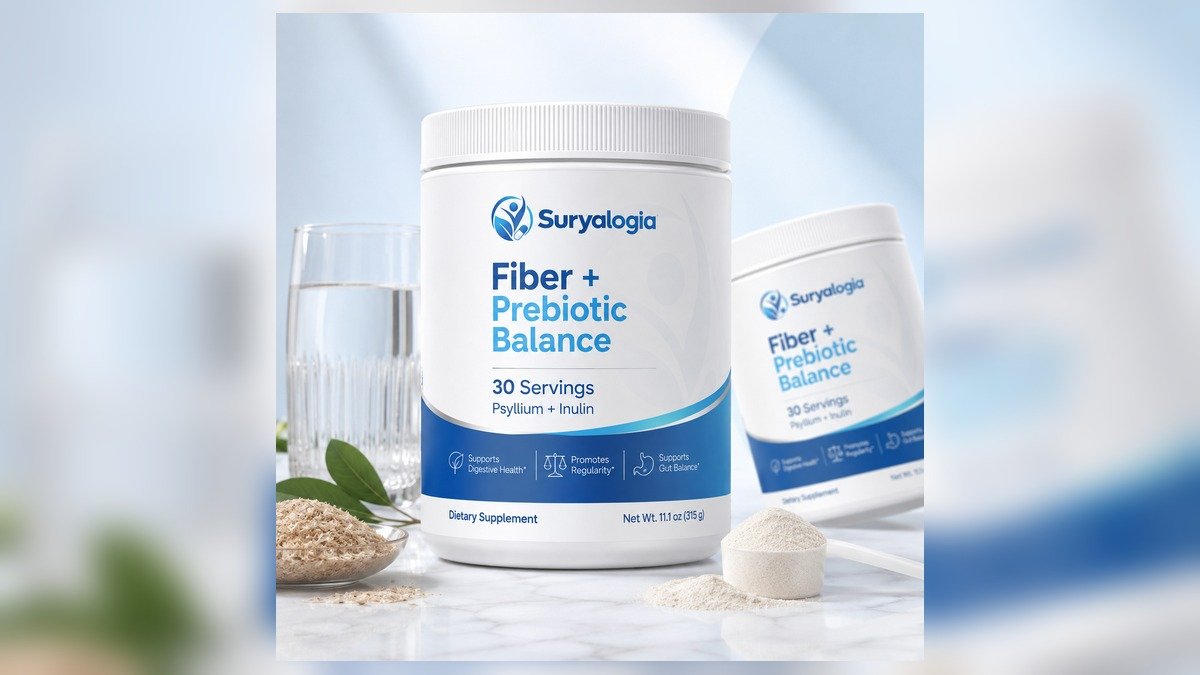
Explore Suryalogia Fiber + Prebiotic Balance and Probiotic Daily Balance for convenient options designed to complement a gut-friendly nutrition routine.
General information only. This article is not intended to diagnose, treat, cure, or prevent any disease.